About
About the ADE Publication
The Australian Diabetes Educator (ADE) is a quarterly online publication produced for members of the Australian Diabetes Educators Association (ADEA). The publication is distributed to a readership of around 2,300 ADEA members, subscribers and authors.
ADE readership is primarily Credentialled Diabetes Educators and multidisciplinary health professionals such as Nurses, Midwives, Dietitians, Pharmacists, Exercise Physiologists, Physiotherapists, Aboriginal and/or Torres strait islander health workers/practitioners, Endocrinologists, Podiatrists, Medical Practitioners, etc. It is designed for people actively working with people with diabetes in a wide variety of settings.
Evolved from the ADEA Newsletter, with the first edition in July 1982, the ADE aims to inform, inspire and motivate ADEA members in order to assist in the standardisation and quality of diabetes education and care. It is intended to increase knowledge and promote best practice as well as support better self-management for people with diabetes and their carers.
ADE Editorial Advisory Group
 | Chair: Dr Kate Marsh PhD, MNutrDiet, BSc, Grad Cert Diab Edn & Mgt, FADEA, FASLM editor@adea.com.au Kate is a CDE and Advanced APD and is the current editor of the Australian Diabetes Educator (ADE) and Chair of the Editorial Advisory Group (EAG). She is a Fellow of the ADEA and the Australasian Society of Lifestyle Medicine (ASLM). Kate currently divides her time between clinical practice and health and medical writing, and has a private practice where she works mostly with individuals with diabetes and women with PCOS. Kate has been a member of the EAG since 2005 and chair since 2015. She is also a long-time editorial board member for Diabetes Management Journal (DMJ). Kate writes regularly for Diabetic Living Magazine and works as a freelance health and medical writer for Diabetes Australia and the ADEA. Kate was awarded the DAA Joan Woodhill Prize for Excellent in Research – Doctorate Award for her PhD study on low GI diets for women with PCOS and is the recipient of the 2015 inaugural ADEA Jan Baldwin National CDE of the Year. |
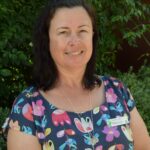 | Dr Rebecca Munt BN (Hons Grad Cert Education (Higher Ed), PhD, MACN ADr Rebecca Munt is a registered nurse with a PhD that explored the self-management experiences of people living with type 1 diabetes while in hospital. Rebecca is the Principal Investigator for the South Australia Inpatient Diabetes Survey that involved collecting data across 29 hospitals in metropolitan, regional and rural locations. |
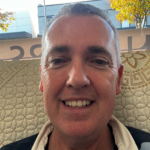 | Dr Edwin Pascoe PhD RN CDE PhD, MEmergNursing, GradDipAcuteCVNursing, Grad Cert Diab Edn & Mgt, BNutrMed, DipTAE, Dual Dip VET/ Training Design and Development, National Immunisation Course, & 2 units 534501 Pharmacology and Therapeutics II, 514704 Applications of Clinical Pharmacology II Graduated in nursing in 1991 completing a graduate year at Fairfield and Bethesda hospitals. In 1995 I started my critical care course at Epworth Hospital. Went to Canberra for one year then back to Melbourne starting a combination of agency nursing and education. I have had various jobs in education including TAFE, private RTOs, clinical teaching (RN /EN), hospital educator, placement coordinator, and University. For Latrobe University I conduct an ongoing three-day workshop called Comprehensive Assessof the Older Person & was involved in educating assessors for the new funding model (AN-ACC) in aged care. I have just started a job as a researcher post my PhD in the Australian Centre for Evidence Based Aged Care (Latrobe University) two days a week. I started my diabetes course in 2007 working one year with Eli Lilly, training people with diabetes in GP clinics in Victoria and Tasmania in the use of insulin pens including Byetta. We also performed Conversation Maps during GP visits. I have spent most of my time in private practice and am currently working at Wyndhamvale HealthCare (GP practice). I have been Vic Branch Executive as the finance officer and on the National Finance Advisory Committee. I have a special interest in the lived experience of LGBTQIA+ people and how diabetes intersects with this. |
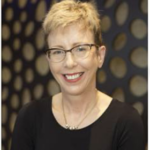 | Michelle Robins Michelle Robins has been working as a Credentialled Diabetes Educator since 1993 and endorsed Nurse Practitioner for 16 years. She is currently employed at Northern Health in Melbourne. She has worked on 60 diabetes-related committees and working parties. Michelle has produced book chapters, presented at national and international conferences, at more than 160 workshops and more recently webinars and podcasts. In 2010 she received the Jan Baldwin award to recognise and reward excellence in a holistic approach to diabetes education and care. |
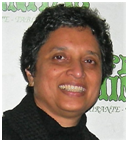 | Achamma Joseph Achamma is a CDE and an APD/AN based in Townsville, Queensland. She works both in the public and private sector also with CALD and Indigenous clients/organisations. She started her career as a research assistant in a Diabetes Research Centre and her passion for improving management for people with Diabetes is constant and ongoing. She has been actively involved in the various committees both for ADEA and Dietitians Australia. Her passion for training community health workers, nurses and other health professionals has seen her involvement in a number of diabetes related international projects including the World Diabetes Foundation project in Papua New Guinea, Diabetes Training and Awareness Project in Kiribati, Pacific Islands and Aus-Aid funded Diabetes training project in India. Her research interests and projects have been presented at state, national and international conferences and she works collaboratively with universities and organisations. She has been a member of ADEA EAG since 2018. |
 | Tom Chan Tom is a consultant pharmacist and CDE conducting diabetes education at people’s home, in metropolitan and rural areas. He also works as a pharmacist within GP clinics reviewing people’s device technique and medication management. Tom has an interest in demonstrating the benefits of pharmacy outreach services in rural settings, and is completing his PhD in this area. As part of the ADE Editorial Advisory Group, Tom is keen to share his experience in different aspects of diabetes management, both in hospital and community settings. |
 | Claire Gatto Claire’s nursing background includes general nursing in surgical and medical wards, as well as extensive experience in Nephrology and Haemodialysis, both in acute and chronic settings in Switzerland and Australia. Over the last 13 years she has been working in Diabetes Education in a community health settings. In 2016 Claire completed a Master’s thesis about the experience of young people diagnosed with type 1 diabetes during the challenging years of emerging adulthood in regional Victoria.Together with her team at Bass Coast Health, Claire is working at overcoming the barriers to quality care and education to people with all types of diabetes in a regional setting. Her role in a local community pharmacy also aims at improving accessibility to diabetes care and education. Claire has an interest in the psychological impact of living with diabetes and finding ways to help people navigate this rollercoaster to improve their overall health. She is also interested participating to research in the fields of diabetes care, education and self-management support. |
Submission process and deadlines
Publishing tips
The Australian Diabetes Educator (ADE) welcomes articles and information about anything related to the practice of diabetes education and diabetes care in Australia.
Please consider contributing:
- Original research articles
- Literature reviews
- Feature articles
- Case studies
- Teaching tips
- Reflective practice articles
- Review of resources and services designed to assist diabetes educators
Assessment
Submissions are assessed in accordance with their relevance, accuracy, clarity and applicability to the Australian Diabetes Educator (ADE).
Articles are reviewed by our editorial advisory group and the ADE Editor has overall responsibility for accepting articles for publication.
Authors acceptance criteria for publication
The Editor reserves the right to modify the style and length of any article submitted so it conforms to the ADEs format. Only major changes or points of clarification will be referred back to the author for approval prior to publication.
The ADEA retains the right to reproduce the material published as an extract of the ADE.
Resources for authors
The ADEA appreciates your consideration to submit articles in the ADE. Please ensure you have prepared your manuscript in line with the ADE Author Submission Guide with general requirements for articles and our specific advice on the different article types in the templates below.
- ADE Article Submission Guide
- Language Matters 2021-Diabetes-Australia Position Statement
- Template: Case Study
- Template: Original Research
- Template: Feature Article
- Template: Research Review Article
- Template: Teaching Tip
Administrative forms
- Information pack for authors: author’s personal information cover sheet, Conflict of Interest Statement, Consent and Copyright Form
- Copyright permission request: only if third-party materials are used in the submission
- Authorisation to use photograph: only if photographs are used in the submission
Submission
Contributions may be submitted by email to editor@adea.com.au
Advertising in the ADE publication
The ADEA is the leading association for healthcare professionals providing diabetes education and care. The Australian Diabetes Educator is the ADEA’s quarterly flagship publication and provides members with updated information on the association and advances in the field of diabetes education and care.
For more information about advertising, please click to download the Australian Diabetes Educator media rates.
For more information, please write to us at ade@adea.com.au.
Subscribe
Subscriptions to the quarterly Australian Diabetes Educator (ADE) are available with the annual subscription cost is $250.00 + 10% GST.
For more information, please write to us at ade@adea.com.au.